Goa Secures 5 New GI Tags: A Win for Farmers, Food Heritage & Sustainable Tourism

Goa has added another proud chapter to its cultural and agricultural legacy. The state has officially secured five new Geographical Indication (GI) tags, recognising some of its most cherished indigenous produce. This milestone not only safeguards Goa’s food heritage but also strengthens rural livelihoods and reinforces the state’s unique global identity.

The newly GI-tagged Goan specialities are:
Taleigao Vayingim (Brinjal)
Goa Hilario Mango
Goa Korgut Rice
Goa Cashew Apple (Kaju Apple)
Goa Mussarad Mango
What is a GI Tag and Why Does It Matter?
A Geographical Indication (GI) tag is a form of intellectual property protection given to products that originate from a specific region and possess qualities, reputation, or characteristics unique to that geography. In simpler terms, it ensures that only produce genuinely grown or made in that region can be marketed under that name.
For Goa, GI tags are more than just labels—they are tools for:
Protecting traditional knowledge and indigenous crops
Preventing misuse or imitation of local produce
Ensuring better market value for farmers
Promoting regional pride and authenticity
A Closer Look at Goa’s Newly GI-Tagged Specialities
Taleigao Vayingim (Brinjal)

A staple in Goan kitchens, Taleigao brinjal is known for its distinct taste, tender texture, and suitability for traditional Goan curries and recheados. Grown predominantly in the Taleigao region, this variety reflects generations of farming wisdom passed down through local cultivators.
Goa Hilario Mango
Smaller in size but rich in flavour, the Hilario mango is cherished by locals for its intense sweetness and aroma. Its GI recognition helps preserve this lesser-known native variety that often gets overshadowed by commercial mangoes.
Goa Korgut Rice
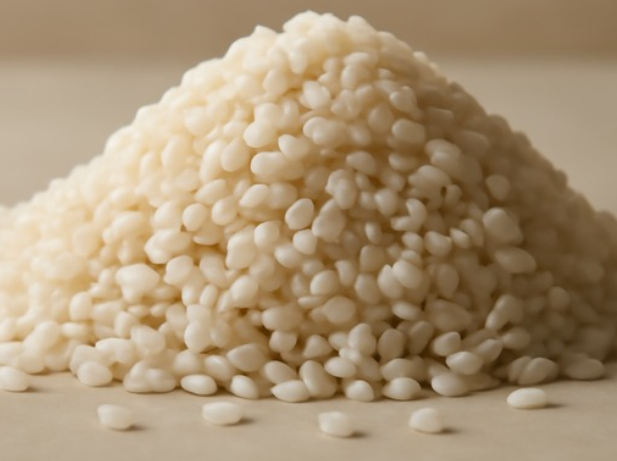
Korgut rice is a traditional, saline-resistant paddy variety grown in Goa’s coastal fields. Adapted to local soil and climatic conditions, it represents sustainable farming practices and is crucial for preserving Goa’s rice biodiversity.
.
Goa Mussarad Mango
Another indigenous mango variety, the Mussarad mango is valued for its unique flavour profile and seasonal appeal. GI recognition helps ensure its continued cultivation and protection from extinction.
Goa Cashew Apple (Kaju Apple)

While cashew nuts are globally popular, Goa’s cashew apple holds cultural and economic importance, especially in the making of traditional feni. The GI tag highlights the significance of this often-overlooked fruit and its deep connection to Goan identity
Empowering Farmers & Strengthening Rural Livelihoods
The recognition of these five GI tags is expected to empower Goan farmers by offering them better price realisation, legal protection, and access to niche markets. By highlighting indigenous crops, Goa also takes a strong step towards food sovereignty under initiatives like the Swayampurna Goa Mission.
GI tags encourage farmers to continue cultivating traditional varieties rather than shifting to high-yield but less resilient commercial crops. This, in turn, supports biodiversity, climate resilience, and sustainable agriculture.
A Boost for Culinary & Experiential Tourism
For experiential travel companies, food enthusiasts, and cultural explorers, these GI tags open exciting possibilities. From farm visits and culinary trails to traditional cooking experiences and local tastings, GI-tagged produce adds authenticity and storytelling to travel experiences.
At a time when travellers seek meaningful, local, and sustainable experiences, Goa’s GI-recognised produce becomes a powerful connector between food, culture, and community.
Preserving Goa’s Global Identity
Goa’s identity goes far beyond beaches. Its farms, orchards, and traditional crops tell stories of resilience, heritage, and coexistence with nature. These five new GI tags reaffirm Goa’s commitment to preserving its roots while sharing its authentic flavours with the world.
As consumers, travellers, and storytellers, supporting GI-tagged products means supporting local farmers, safeguarding heritage, and ensuring that Goa’s true taste continues to thrive for generations to come.
Goa doesn’t just grow food—it grows stories, traditions, and a sense of belonging